Mehr für die Feiertage
LUMINISM
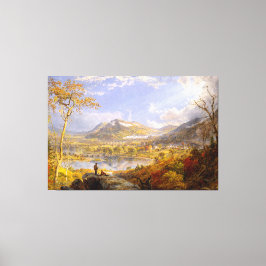
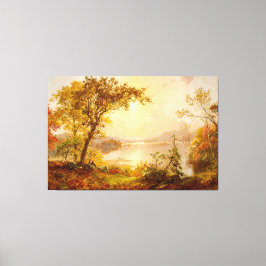
Luminism, a mesmerizing current within the esteemed Hudson River School, unfolded as a radiant chapter in 19th-century American art, immersing itself in the tranquil landscapes of the American wilderness. This movement, primarily thriving in the 1850s and 1860s, sought to capture the ethereal beauty of nature through a meticulous exploration of light, atmosphere, and serene landscapes.
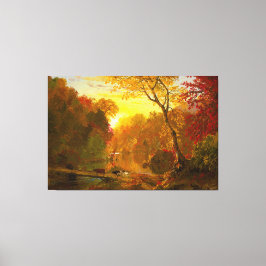
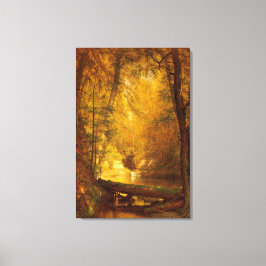
At its core, Luminism was a celebration of light. Artists within this movement, inspired by the Hudson River Valley and its surrounding areas, embraced a soft and diffused luminosity that bathed their canvases in a gentle glow. This emphasis on capturing the changing qualities of light, whether it be the subtle hues of dawn or the warm embrace of sunset, defined Luminism's visual language.
Meticulous realism was another hallmark of Luminist art. Artists demonstrated an extraordinary attention to detail, rendering landscapes with precision and accuracy. The goal was to create highly realistic depictions of nature, allowing viewers to almost step into the scene and experience the tranquility of the untouched wilderness.
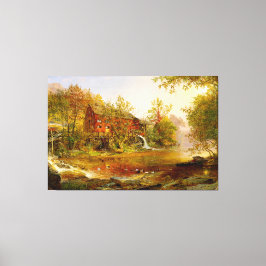
Water, in its various forms, held a special place in Luminist compositions. Whether it was the stillness of a reflective pond, the gentle ripples of a river, or the vastness of a tranquil sea, artists within the movement were captivated by the reflective and transformative qualities of water surfaces. These bodies of water often became central elements, adding depth and contemplative allure to the compositions.
The absence of human presence in Luminist paintings was deliberate. Artists chose to portray pristine, untouched landscapes, free from the imprint of human activity. This deliberate exclusion of figures contributed to the overall sense of solitude and timelessness, inviting viewers to immerse themselves in the unspoiled beauty of the natural world.
Geometric composition was another facet of Luminism that added to the visual harmony of the artworks. Some paintings displayed a meticulous arrangement of elements, creating a balanced and visually striking composition. This geometric precision, combined with the soft luminosity, contributed to the serene and contemplative atmosphere that defines Luminism.
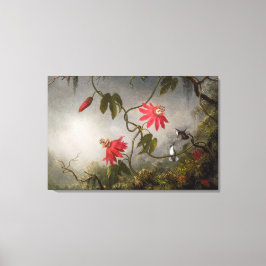
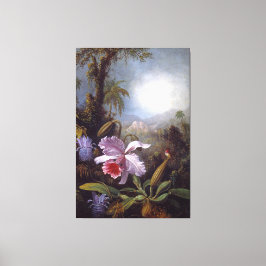
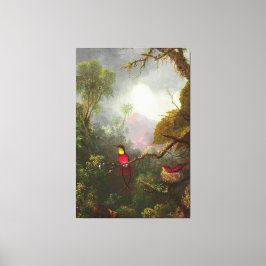
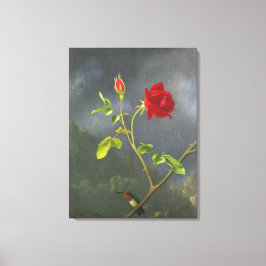
Within this captivating movement, artists such as Martin Johnson Heade, John Frederick Kensett, and Fitz Hugh Lane joined the luminous journey, creating works that embodied the principles of Luminism and enriched the legacy of the Hudson River School.
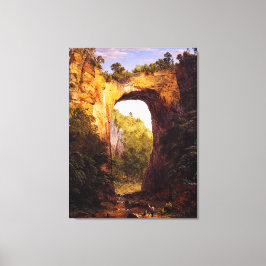
One standout figure in the realm of Luminism is Frederic Edwin Church (1826–1900). Hailing from Hartford, Connecticut, Church received early artistic guidance under the tutelage of Thomas Cole, a prominent figure in the Hudson River School. Church's artistic odyssey led him on extensive travels across the Americas, capturing landscapes from the Arctic to the Andes.
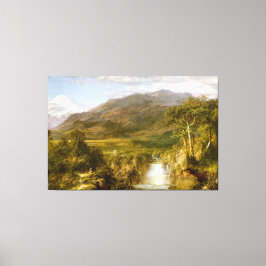
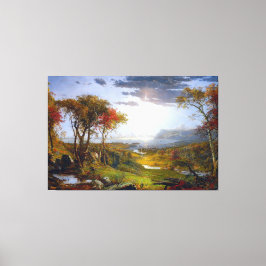
Church's paintings, marked by meticulous attention to detail, embodied the luminist aesthetic. Soft, diffused light and an exploration of atmospheric effects permeated his works, creating scenes that radiated tranquility and contemplation. His canvases often portrayed epic scales, as seen in "The Heart of the Andes" (1859), where the vastness of the landscape was masterfully conveyed.
As a testament to Church's enduring legacy as a luminist artist, his works continue to resonate in collections worldwide. His ability to capture the sublime essence of nature, combined with technical prowess, solidifies his place as a key figure within the captivating tapestry of Luminism.
In the words of Frederic Edwin Church, "I love all of the arts, and I try to have a broad appreciation of their beauty, but I do not hesitate to say that in them all I see no beauty to exceed that of the wild and lonely sea."
21 ergebnisse




Weitere Kollektionen von The Marvelous Realm of Fine Art, die dir gefallen könnten